
Most production companies specialise in one area. Softmachine has spent more than 20 years working across film production and live immersive events, including fulldome films, corporate events and technically complex live productions.
That combination matters when a project involves both produced content and a live audience. The same production team can think about the film, the space it will be shown in and the technical requirements of the event from the start.
Fulldome films that borrow from live production
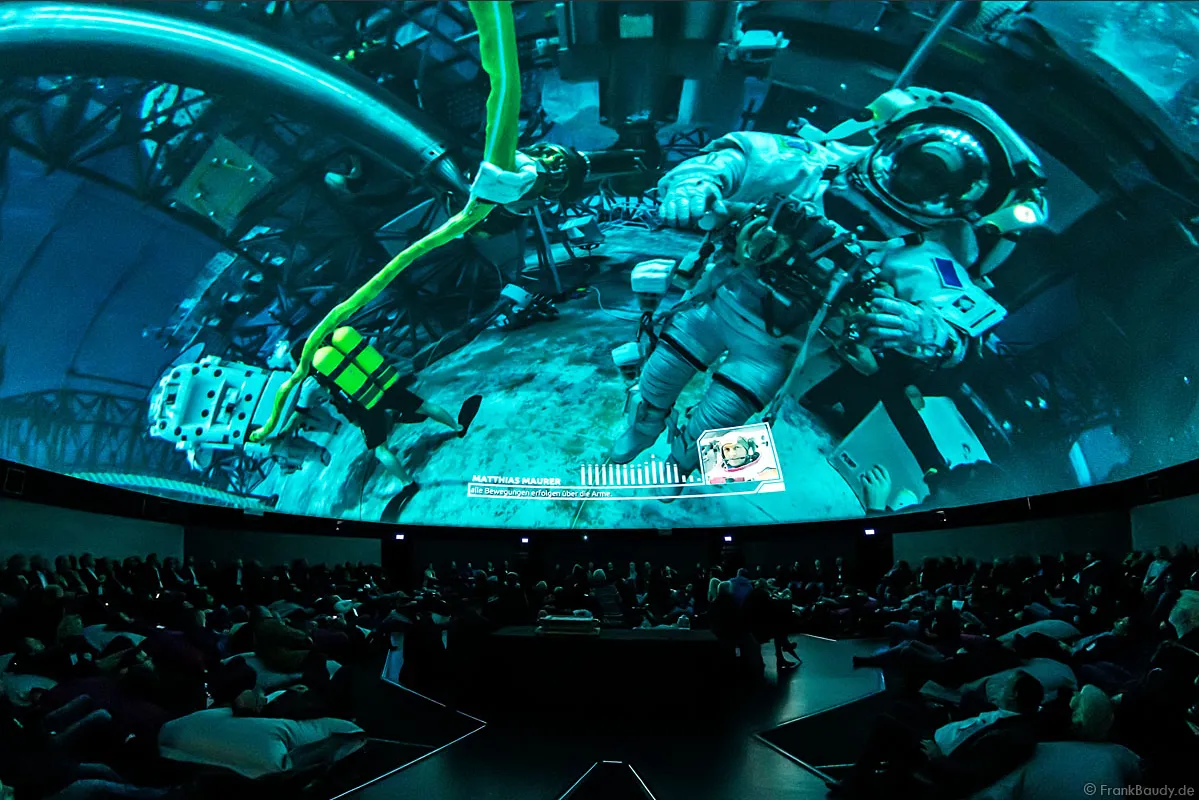
Fulldome film production has its own technical and creative requirements. The audience is surrounded by the image, so camera work, movement, editing and pacing have to be considered for a 360° environment.
KIRA, made for Planetarium Jena’s 100th anniversary, is a direct example. The sci-fi film used motion capture combined with Unreal Engine’s MetaHuman Animator, real-time character production tools that come from live and game production, not traditional film. The result was a piece built for a centennial celebration, not just a screening.
Little Major Tom: Into the Unknown takes a different approach to the same production principle. It’s an immersive space adventure that combines storytelling, science and an environmental message, built to land the way a live experience lands: felt first, explained second. It won Best Children’s Film 2024 at Dome Fest West and was later nominated for Best of Earth 2025.
Producing for a dome means considering the audience’s position within the image from the beginning. That affects how scenes are composed, how movement is used and how information is delivered across the screen.
Live events that borrow from film production
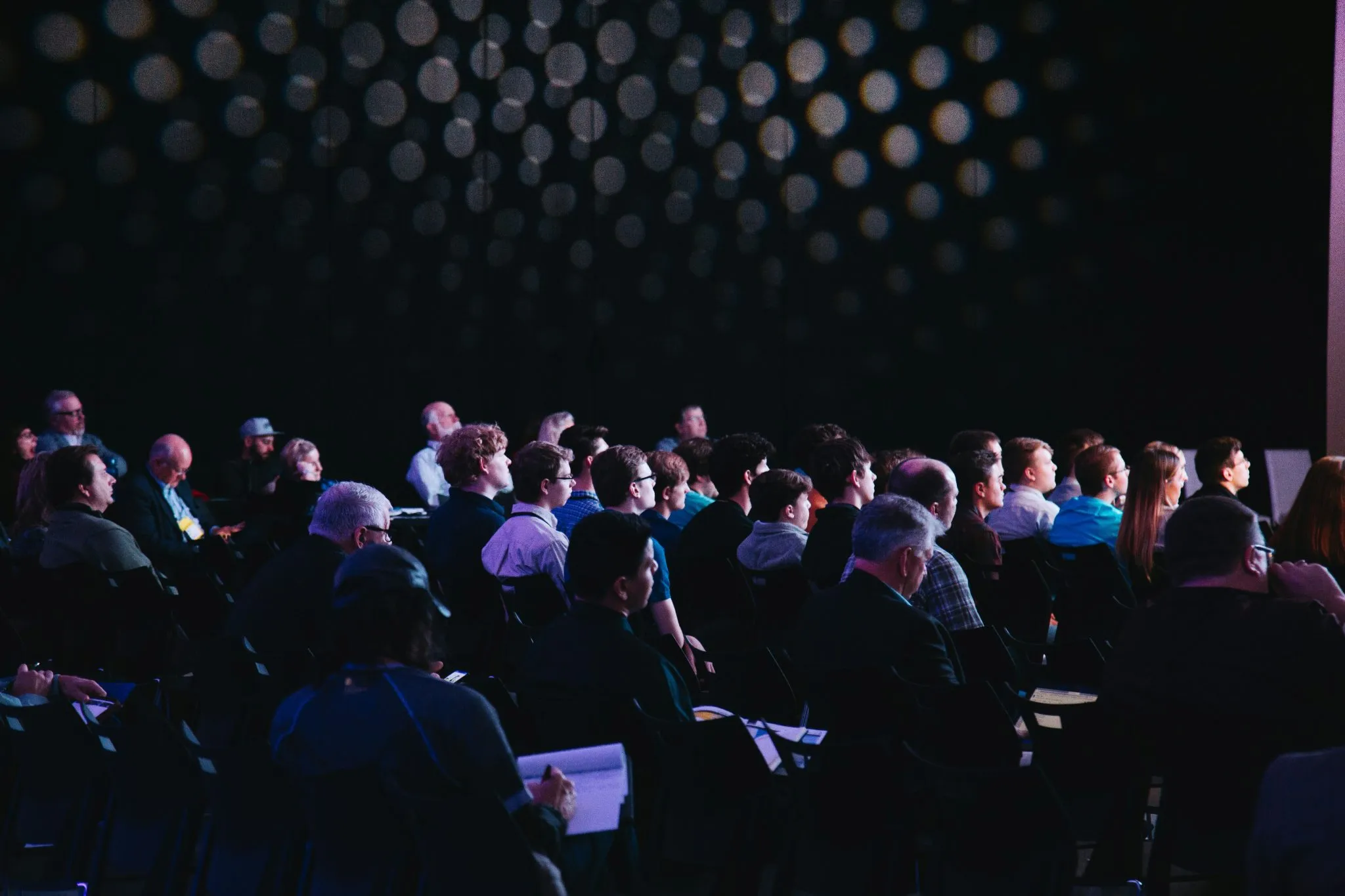
Corporate events often involve much more than a stage and a presentation. A conference, product launch or other live production may combine scripted content, live-action performance, sound design, projection, LED environments and other technical elements.
Softmachine’s cybersecurity conference production used live-action actors and cinematic content instead of a standard keynote format. The subject matter (cybersecurity) is abstract and hard to visualise. Treating the event like a short film, with a script and a sound design pass, gave the technical material a clear narrative structure for an audience that wasn’t there to watch a slide deck.
That approach is now a standing part of how we work on immersive events. Storytelling, live performance, cinematic content, sound design and projection can be planned alongside technical elements like AR, lasers and LED environments, so they work together as part of the live production.
Why this matters if you’re planning a project
For companies planning a product launch, conference or corporate immersive experience, film production and event production often overlap.
A product launch is part film (the content has to hold up on its own) and part event (it has to work live, in a room, with an audience). A conference keynote on a technical subject needs the same thing a documentary does: a reason for the audience to keep paying attention.
This is where an experienced immersive production company can be useful. The production team needs to understand both the content and the environment it will be presented in, whether that means a fulldome venue, a conference stage, a projection-mapped space or an LED environment.
Softmachine also works alongside existing creative and event agencies rather than requiring the whole relationship. If an agency already has the concept and the client relationship, they can bring in fulldome or immersive production expertise for the parts that need it, without rebuilding their team.
The takeaway
Working across film and live events gives Softmachine experience with both sides of the production process: developing cinematic content and making that content work in a live environment.
Twenty years of doing both means we can work across fulldome film production, corporate film production and immersive event production, depending on what the project requires.